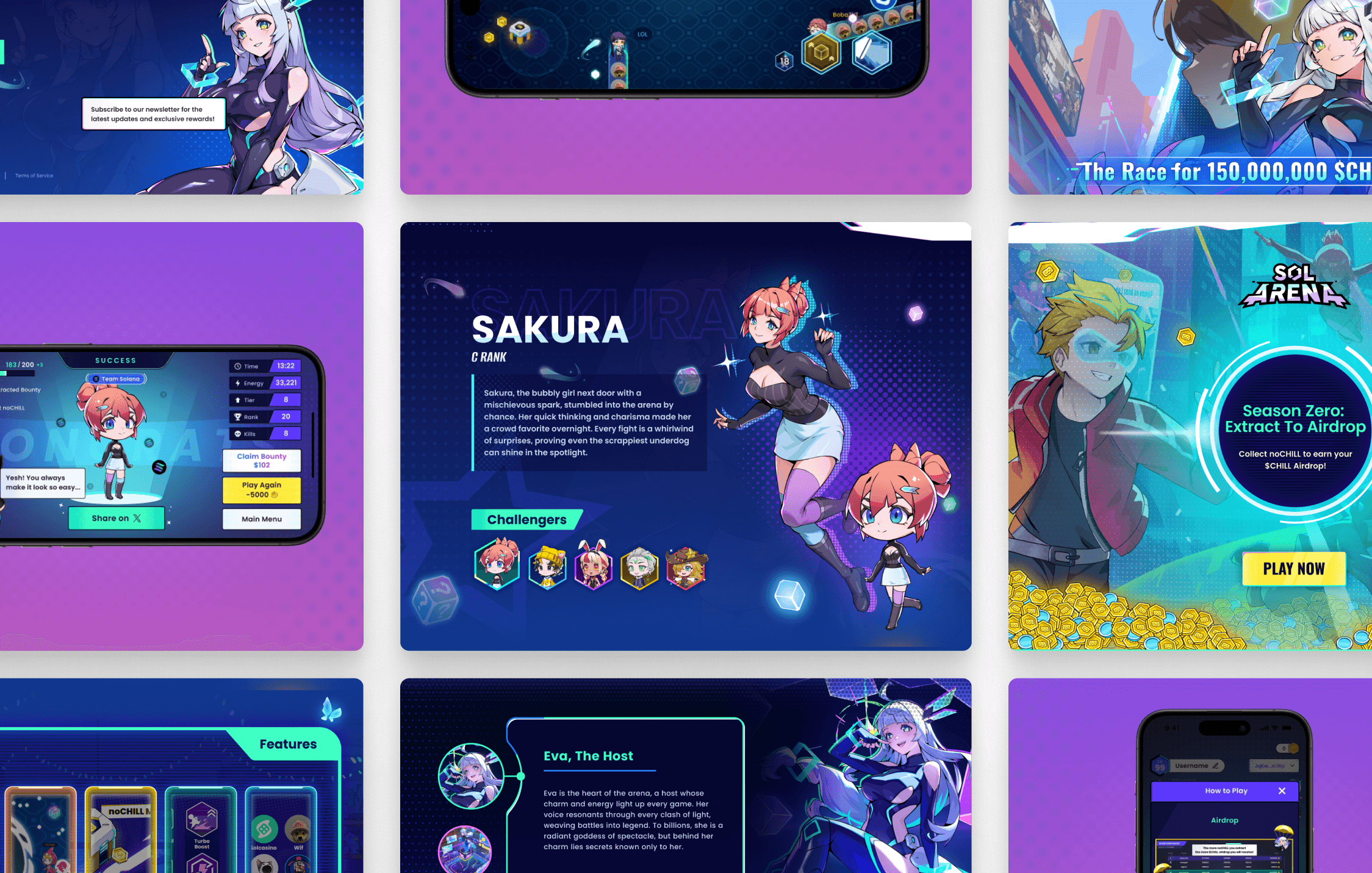
Sol Arena is a P2E on-chain Snake game on Solana, backed by Animoca Brands, Crypto.com Capital, and Griffin Gaming Partners. I helped design Sol Arena’s end-to-end user journey across landing, onboarding, and mobile gameplay.
My role
UX/UI design across onboarding flows, mobile gameplay, and the landing experience
Worked closely with the CEO, product, and art teams
Key Outcomes
Designed a landing experience that converted curiosity into play
Translated the desktop experience into a touch-first mobile interface
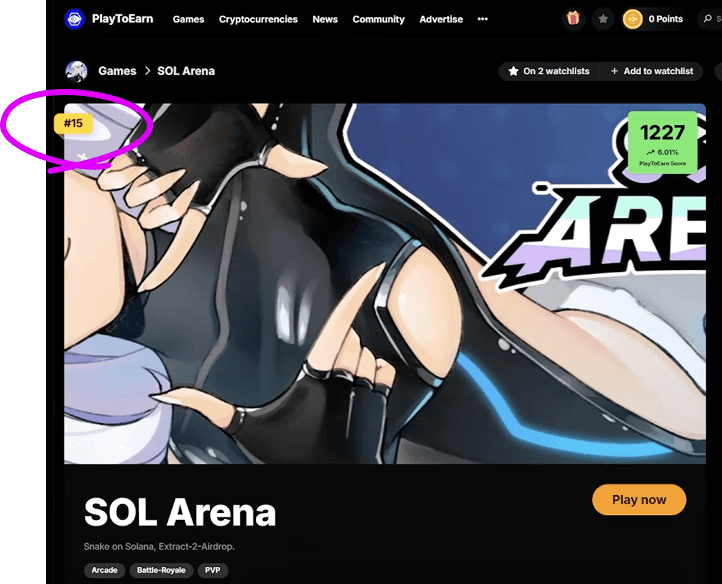
Sol Arena ranked Top #15 P2E games on PlaytoEarn (Jan 2025)
Before play begins, the landing page turns curiosity into action
The landing page immediately answers one question: Can I play right now?
A prominent Play now CTA was placed both in the hero, the top-right navigation, and the bottom section.
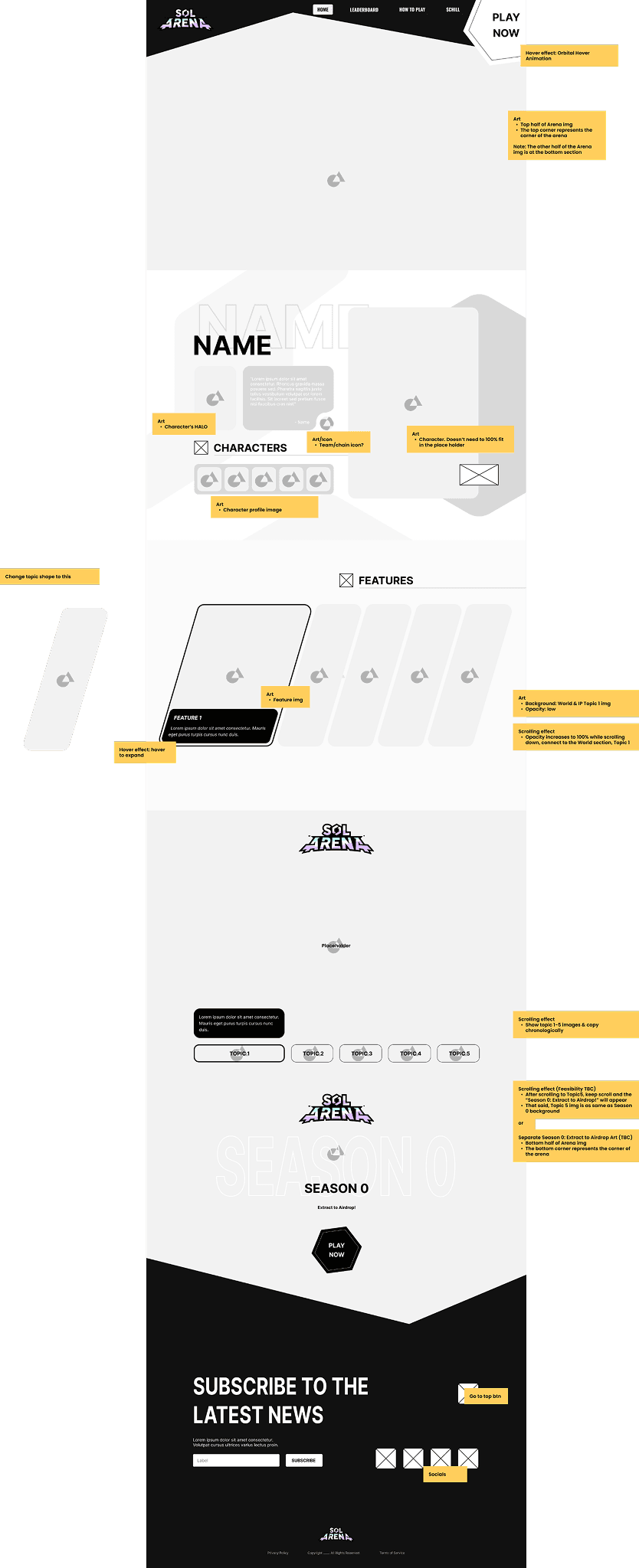
Let interaction sell the game
Interactive elements were used to showcase the game’s art direction and mechanics. Character switching and feature highlights allowed users to explore the Arena visually, building excitement before commitment.
End it with anchor motivation with seasonal rewards
To reinforce the play-to-earn loop, the page closed with a seasonal campaign section highlighting rewards and limited-time incentives.
A great gameplay experience, but too many users dropped before playing
Challenge:
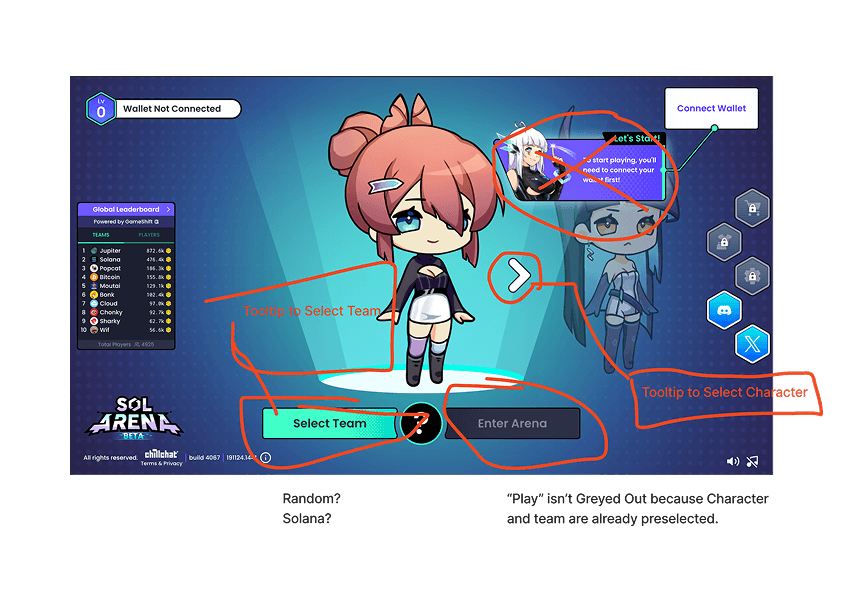
The first game experience was overwhelming, with wallet connection, character selection, and team choice presented too early, introducing friction before users understood the game and causing many to leave before their first match.
Problems we identified:
❌ Wallet connection required before users understood the game
❌ Character and team selection presented too early
❌ No in-context tutorial during the first game
❌ “Play now” was not immediately available
The goal was to create a streamlined onboarding experience that gets users into their first game quickly, lowers drop-off, and makes Sol Arena approachable for both Web3-native and non-Web3-native players.
What successful games do differently
We reviewed onboarding patterns from successful on-chain/off-chain games with similar constraints. Despite different genres, their onboarding shared common principles:
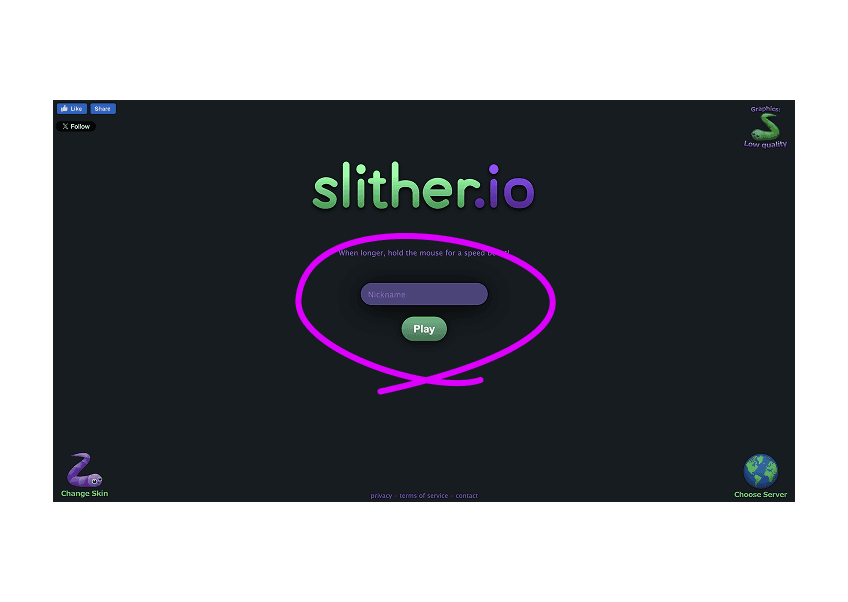
👍 Slither.io allows users to start playing immediately.
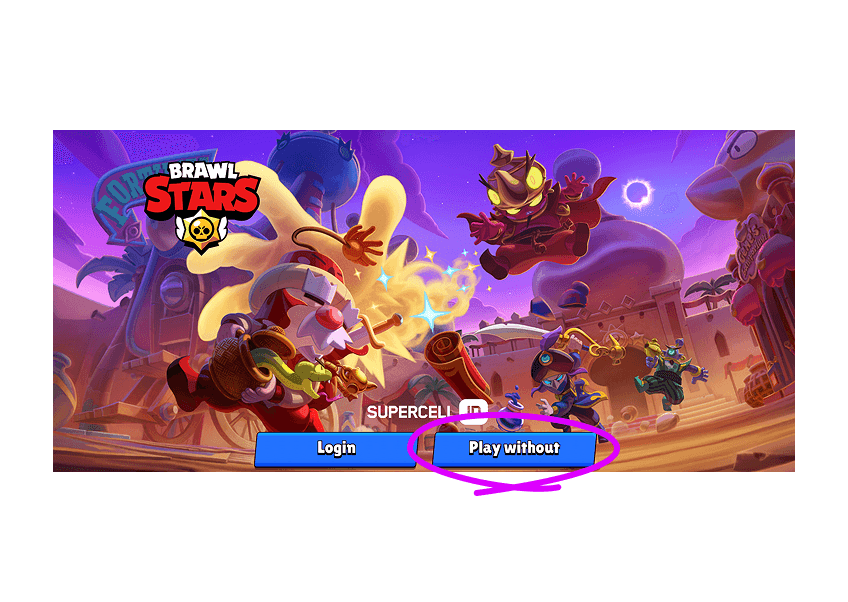
👍 Brawl Stars lets users play as a guest first.
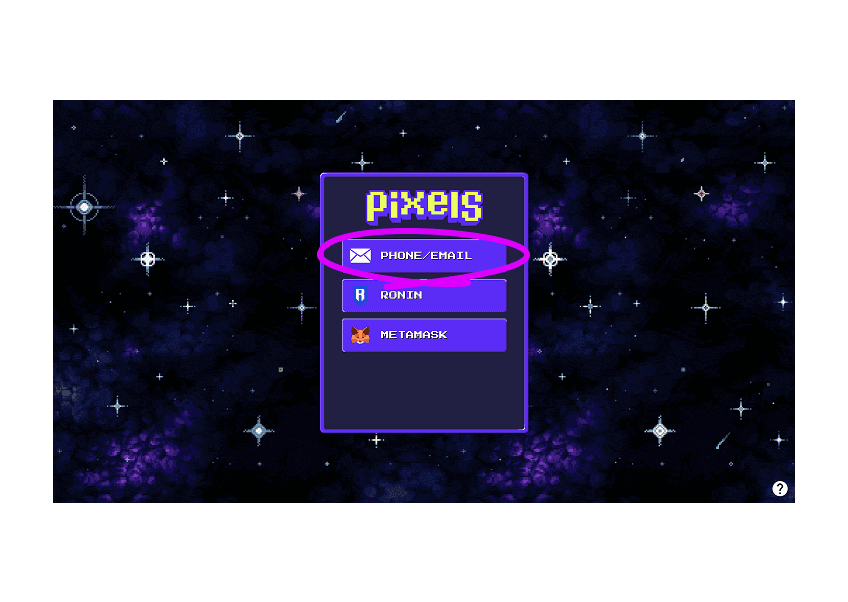
👍 Pixels supports email sign-up, reducing reliance on upfront wallet connection.
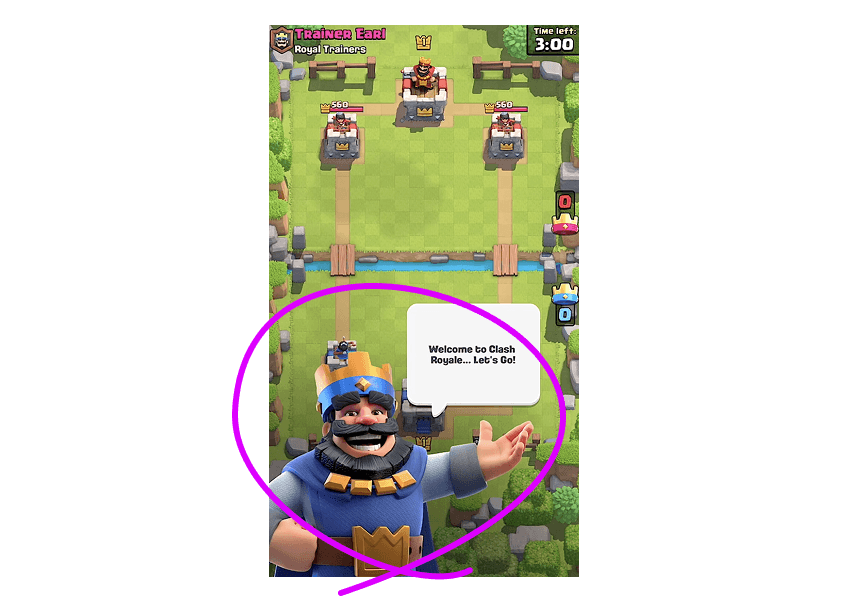
👍 Clash Royale introduces mechanics through progressive tutorials.
Structuring the onboarding into a focused flow
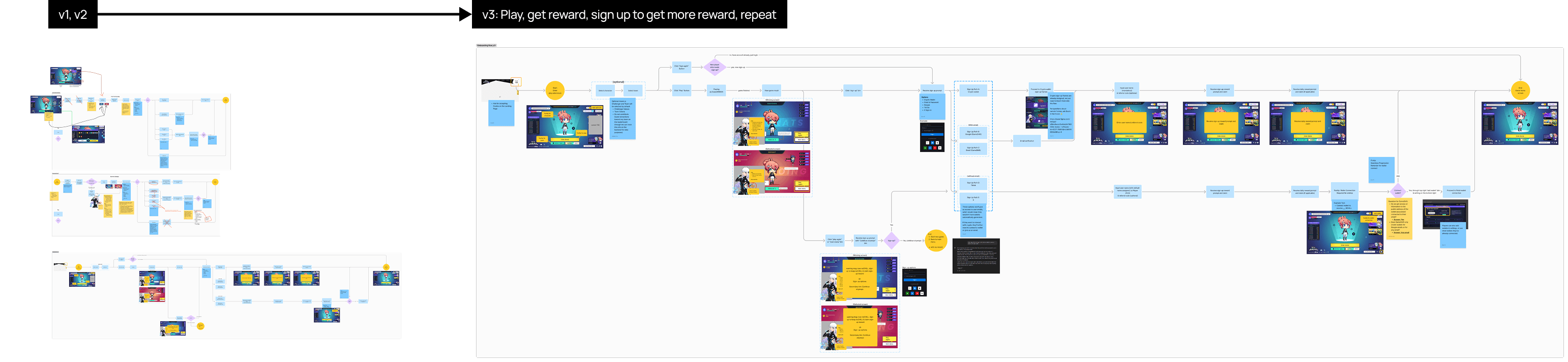
The next step was to restructure the onboarding into a coherent flow. The goal was to guide users toward their first game with minimal interruption.
This flow diagram makes it clear how onboarding decisions were sequenced intentionally, and how wallet connection, tutorials, and rewards were repositioned to support play-first behavior.
Play first, explain progressively
Progressive guidance on the home screen guided users into their first game, while a fully skippable rule explainer module gave players control over how much they wanted to learn before playing.
Social login + wallet login
Using non-custodial wallet creation for email users, identity and wallet setup became seamless and optional.
Remove early commitment
We deferred username creation and referral input, letting users play without upfront decisions.
Convert gently with rewards
Reward UI was used to encourage conversion without blocking gameplay.
We treated the first game itself as onboarding, I delivered a streamlined onboarding focused on first play
The final flow prioritized immediate gameplay, progressive guidance, and optional commitment, reducing early friction and improving the first-session experience. (Video shows a condensed walkthrough of the first-game onboarding flow.)
Turning a desktop-first game into a mobile-first experience
Sol Arena was originally designed with desktop gameplay patterns in mind. As usage shifted toward mobile, core interactions, visual density, and session assumptions no longer held up on smaller screens and touch-based input.
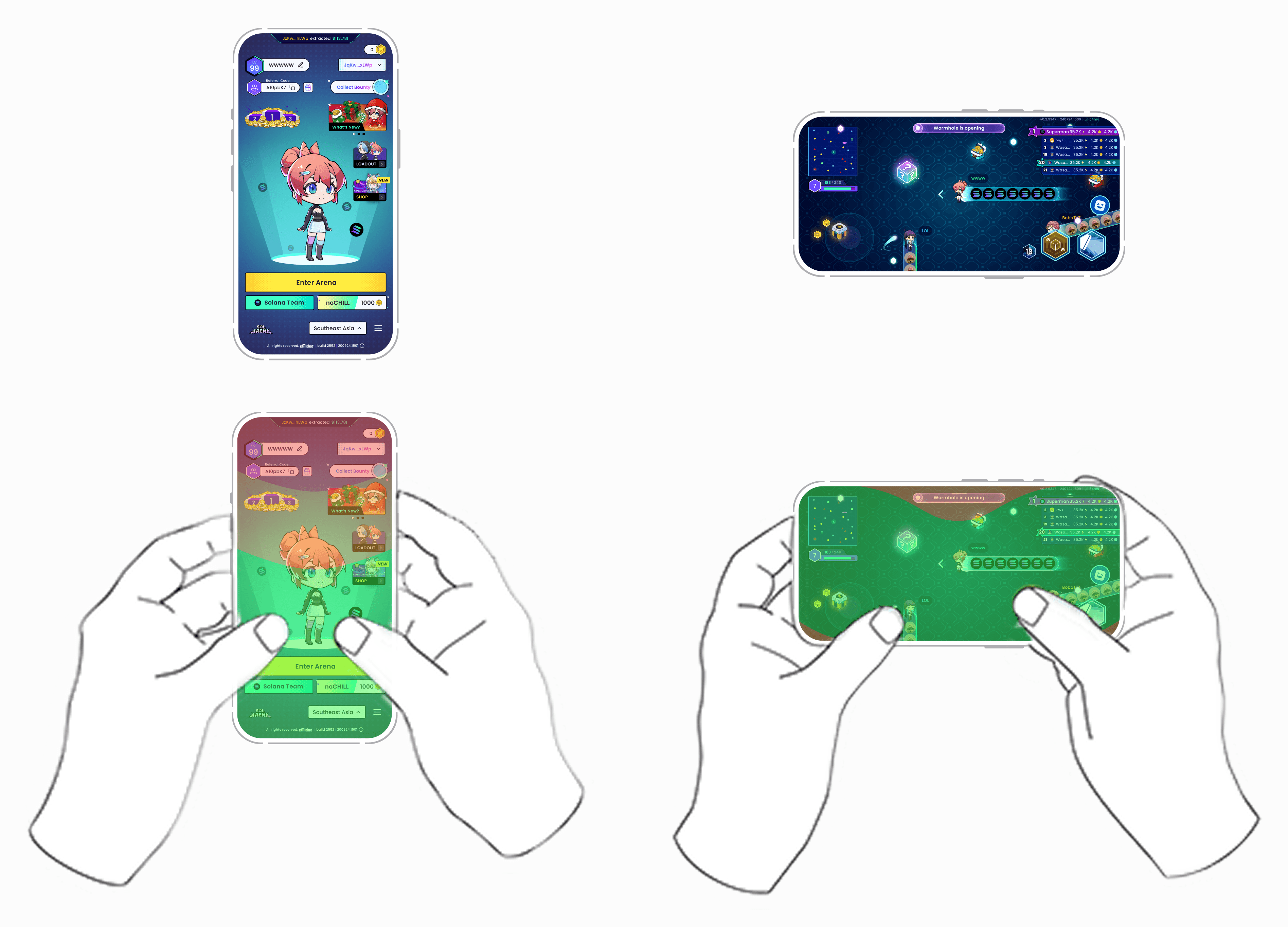
The rule of thumb zones
Primary actions were positioned within natural thumb-reach zones to minimize stretch, repositioning, and interaction fatigue.
Design for touch, not precision
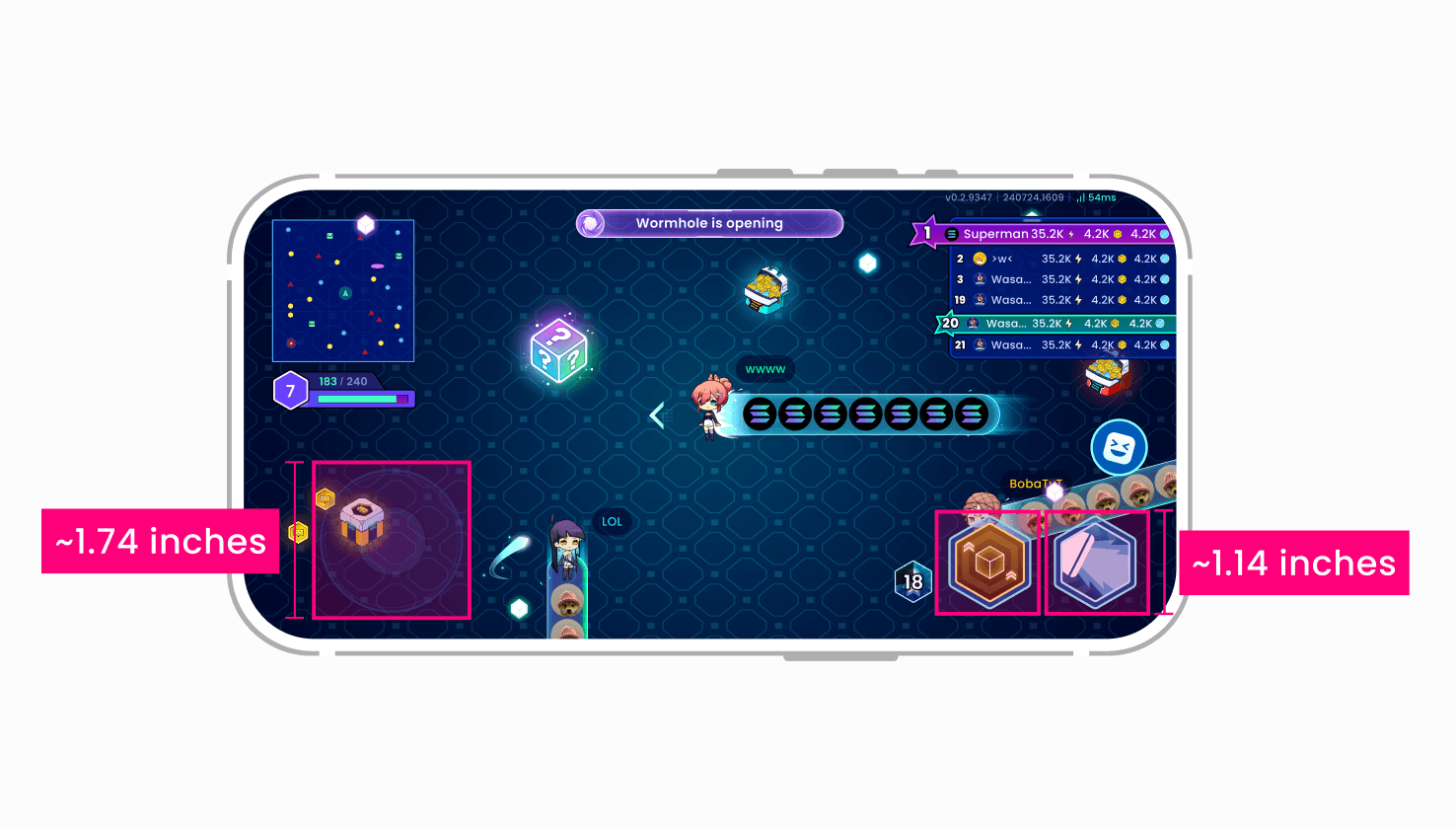
Interactive elements must be at least 1cm × 1cm (0.4in × 0.4in) to support adequate selection time and prevent fat-finger errors.
Orient screens by interaction context
Gameplay and result screens switch to landscape for better control, visibility, and hand comfort, while navigation, setup, and selection flows remain in portrait for one-handed use.
Finally, we designed a cohesive journey from first click to play
Across this project, we aligned Sol Arena’s experience from first touchpoint to active gameplay, spanning landing, onboarding, and mobile adaptation. Sol Arena was ranked Top #15 P2E games on PlaytoEarn (Jan 2025).